Prime PR
Generations Of Collecting: An Important Collection Of Cape Silver, Oriental Ceramics, Furniture And Art
· More than 200 lots charting 18th and 19th-century Cape material culture
· Exceptionally rare 1760 Johan Anton Bünning tea caddy headlines Cape silver
· VOC Arita ware and early Chinese ceramics highlight local trade history
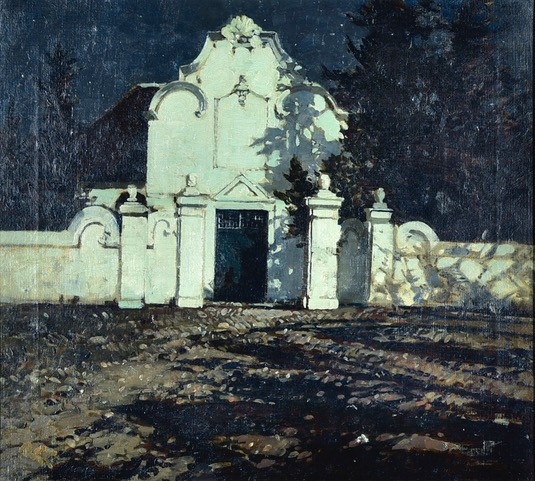
· Gwelo Goodman’s paintings leave an impact
· Historic Cape furniture and major South African landscapes feature
Generations of Collecting: An Important Collection of Cape Silver, Oriental Ceramic, Furniture and Art comprisesof four major categories with more than 200 lots to explore, many of which will pique the interest of keen collectors. From early domestic silver by masters like Daniel Hockley to VOC Aritaware porcelain and Van der Stel period furniture to extraordinary landscape artworks, the collection reminds us of how global exchange shaped everyday life at the southern tip of Africa. With each lot, collectors are offered a glimpse into the makers, patrons and merchants of this busy trading post 300 years ago, with some lots far preceding this period.
Historic silver production in the Cape tells a story of stature, daily ritual and religious rites of passage with items being commissioned by prominent families. One of the auction highlights is an exceptionally early Cape silver tea caddy dating back to 1760 – an extraordinary survivor created by the great silversmith Johan Anton Bünning (estimate R70 000 – 90 000).
Another standout is a Cape silver communion cup by Daniel Hockly, little of whose work is found today; the cup is ostensibly the second largest piece made by Hockly (estimate R30 000 – 40 000). Joining these two masters in the auction are silversmiths Frederick Lambertus Hermann, Daniel Heinrich Schmidt and Gerhardus Lotter, all of whom worked in limited numbers from small workshops.
Ceramics make up the largest component of the auction at around 98 pieces. The collection charts the history of this craft as far back as the T’ang dynasty of 618-906 CE with a pottery funerary figure, commonly placed in tombs to serve and protect the departed (estimate R12 000 – 15 000). Bolstering the collection is a remarkable group of five VOC Arita ware plates in excellent condition and three finely engraved VOC glass goblets. The latter recall a time when Cape Town’s vital position on the global trade map was linked to
Dutch rule. “The plates in particular are valuable remnants from a period when Japan briefly became Europe’s primary porcelain supplier,” says Jill Van Dugteren, Design and Decorative Arts Coordinator.
The furniture component of this auction is a treat for collectors, representing all the style periods that developed at the Cape. These styles which originated in Europe and were influenced by international design trends, spread to the Cape via the trade routes and developed distinctive characteristics of their own. The Van der Stel rusbank, for example (estimate R25 000 – 30 000), has a unique Cape vernacular style that has no equivalent in any of the Dutch colonies. “The rusbank is among the earliest listed seat types in Cape domestic inventories, and this one is a notch above as a rare Baroque Van der Stel example,” notes Nicky Myburgh Cape Furniture Specialist. The grand and majestic armoires and display cabinets were important status symbols for government officials and wealthy merchants and give us insight into the economy and social customs of the18th century Cape Colony.
A heavyweight cast of South African landscape artists dazzles including Gwelo Goodman (who dominates the collection), Gregoire Boonzaier, JH Pierneef and John Meyer among others. Distilling everyday life during the 18thand 19th century, these artists document more than 80 scenes along the coast, in the highveld, of historic farmsteads and vibrant community snapshots through the seasons.
Worth noting is View from Groot Constantia, a rare 1901 landscape of the farm by James Smith Morland who captures the light and colour masterfully (estimate R8 000 – 12 000). Goodman’s painting Windhoek reveals a slower-paced city, fringed by mountains long before development (R20 000 – 30 000), while View of Table Bay District Six by Boonzaier (estimate R200 000 – 300 000) offers an important glimpse of life in this neighbourhood in 1973, shortly before its final demolition.
Through Generations of Collecting: An Important Collection of Cape Silver, Oriental Ceramics, Furniture and Artwe walk the story of how the Cape came to be, globally connected as a VOC trade route and continuing its journey through Dutch and British colonial rule all the while infused with vernacular influence. Each piece carries not only aesthetic allure and collectable value, but also the spirit of the trade routes, workshops, artists and families through which it passed.
Generations of Collecting: An Important Collection of Cape Silver, Oriental Ceramics, Furniture and Art will take place on Wednesday, 25 March, in two sessions at 2pm and 7pm. The collection is open for viewing online and at Strauss & Co, Brickfield Canvas, Woodstock, Cape Town.